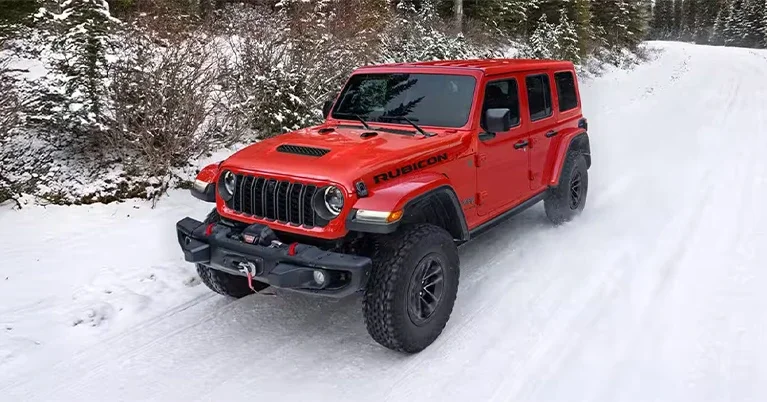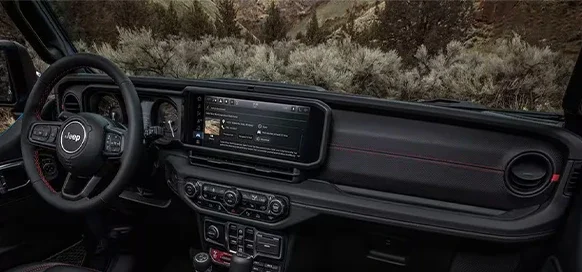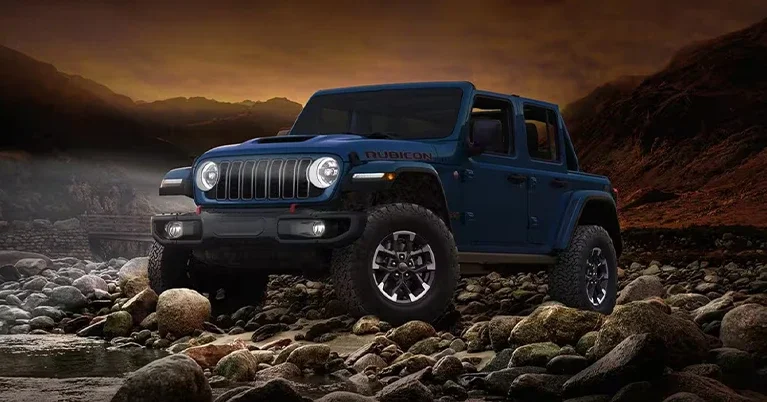






The Jeep Wrangler serves as the direct descendant of the World War II Willys MB, maintaining a specialized focus on off-road capability and open-air freedom. Since the introduction of the YJ series in 1986, which replaced the CJ, the Jeep Wrangler has evolved through the TJ, JK, and current JL generations. It remains one of the few vehicles globally featuring body-on-frame construction, solid axles, and removable doors and roofs. This heritage establishes the Jeep Wrangler as a foundational vehicle for the brand, balancing mechanical simplicity with modern engineering.
Performance and Powertrain Options
Mechanical versatility defines the Jeep Wrangler lineup. The vehicle offers multiple engine configurations designed to handle different driving demands. Available powertrains include:
- 3.6L Pentastar V6 Engine: This engine provides a balance of horsepower and torque, often paired with a manual or automatic transmission.
- 2.0L Turbocharged I4 Engine: This option increases low-end torque for better rock crawling and technical maneuvers.
- 6.4L HEMI V8 Engine: Available on top-tier trims, providing maximum output for high-speed desert running and heavy-duty performance.
- 4xe Plug-In Hybrid: This system combines a turbocharged engine with electric motors for increased efficiency and silent off-roading.