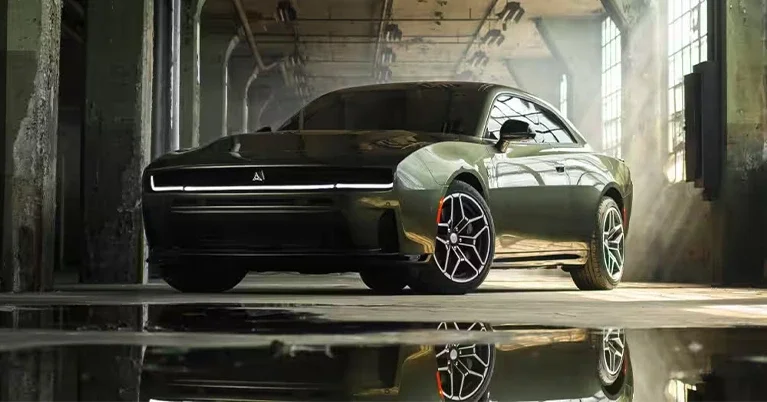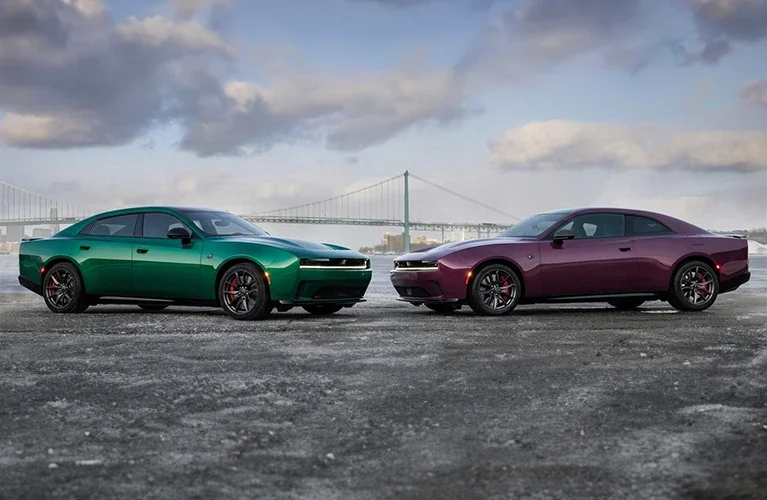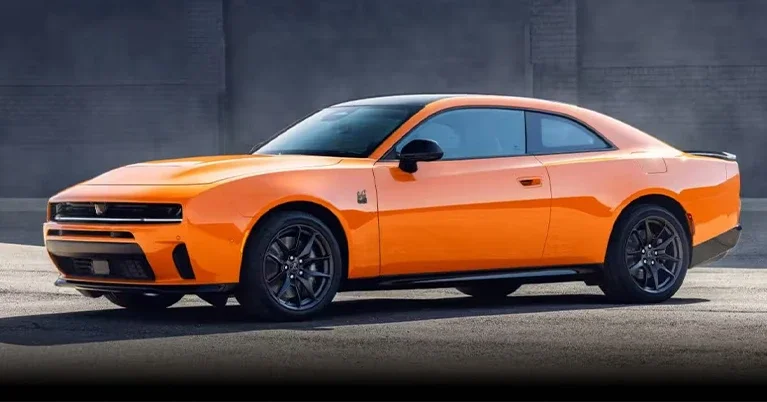






The Dodge Charger remains one of the most recognizable names in the American automotive industry. Debuting in 1966 as a two-door fastback, the vehicle established itself as a dominant force during the muscle car era of the late 1960s. Its reputation for high-output performance was cemented on the NASCAR circuit with the aerodynamic Daytona models. After evolving through various configurations—including a luxury personal coupe and a subcompact hatchback—the nameplate returned as a full-size four-door sedan. This transformation combined the utility of a family vehicle with the high-displacement power traditional to the brand. Today, the vehicle serves as a bridge between classic muscle heritage and modern engineering, offering a wide range of propulsion systems from efficient V6 options to high-output supercharged variants and new electrified architectures.
Performance and Technical Specifications
The vehicle is engineered with a focus on high-speed stability and acceleration. Depending on the configuration, the chassis is supported by performance-tuned suspensions and Brembo® braking systems
Powertrain Options
The vehicle offers several distinct engine configurations:
- 3.6L Pentastar® V6: Delivering up to 300 horsepower, this engine is paired with a TorqueFlite® eight-speed automatic transmission.
- 5.7L HEMI® V8: This mid-range option provides a balance of daily drivability and classic V8 sound.
- 392 HEMI® V8: Found in the Scat Pack, this engine produces 485 horsepower and 475 lb-ft of torque.
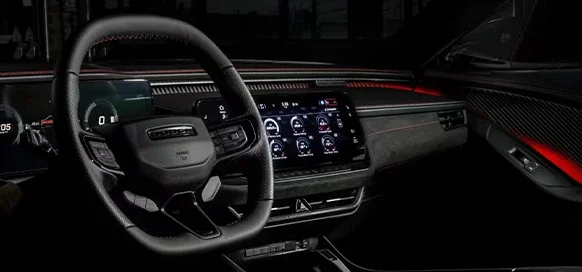
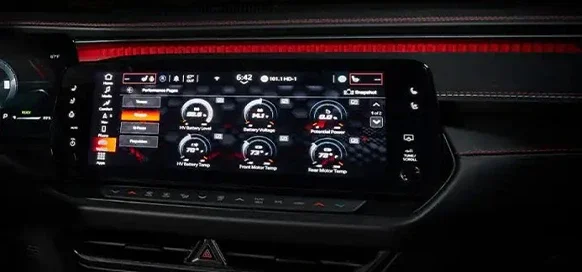
- Electric Architecture: New electrified models utilize dual motors and a 100.5-kilowatt-hour battery to produce instant torque and high-horsepower outputs..